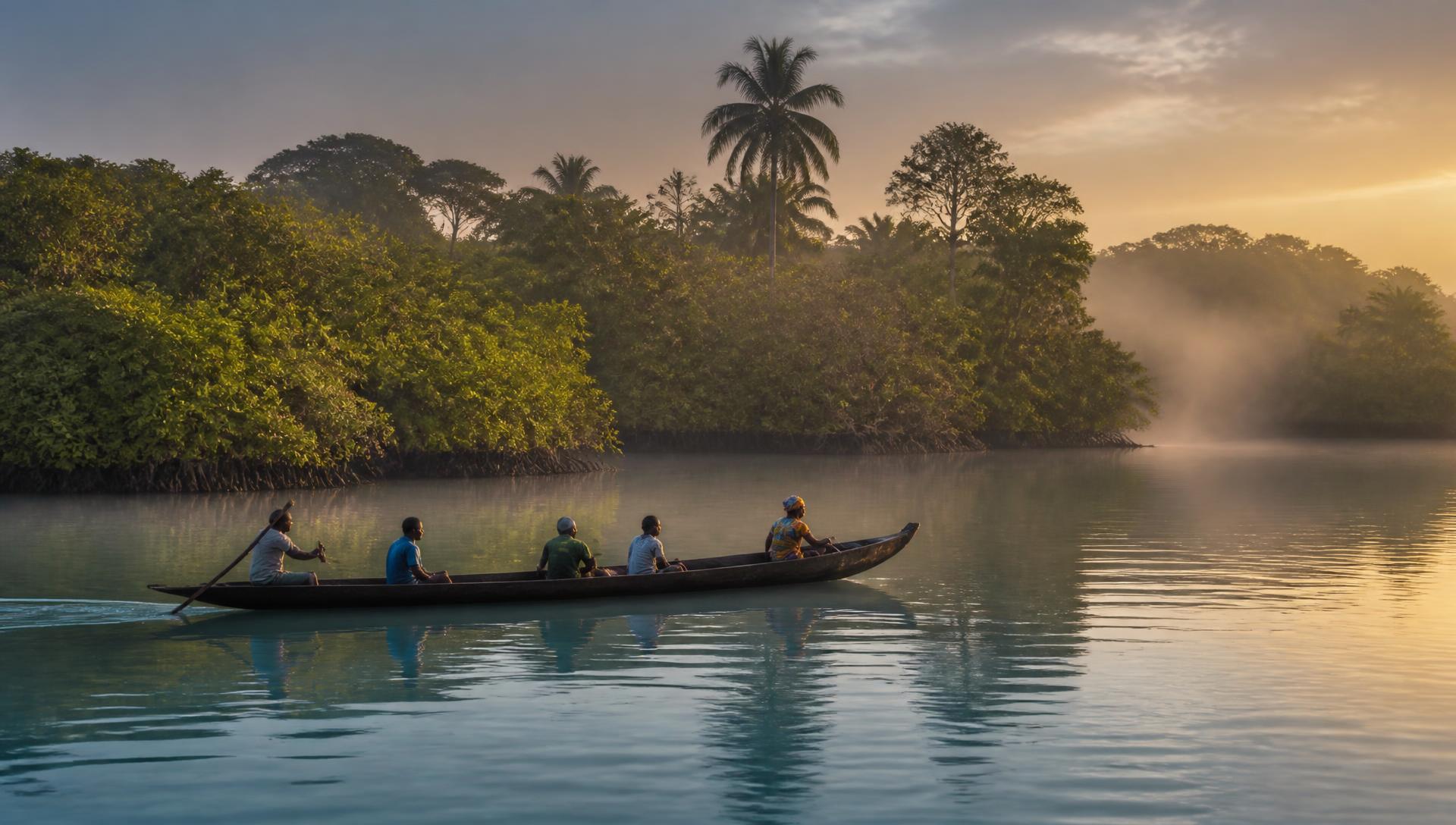
Tour our city
Things to do in Opobo Town
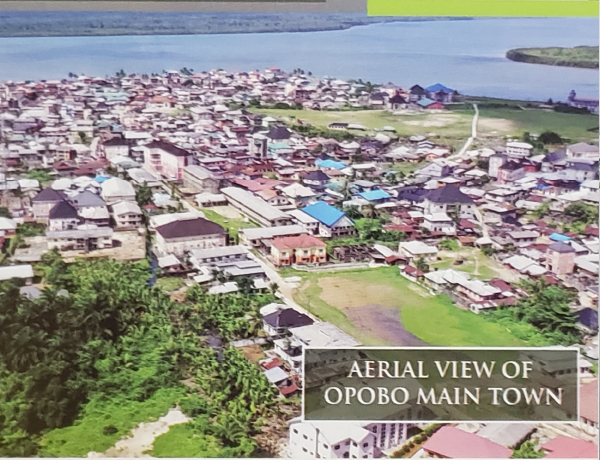
Opobo Town sits on the waterways of Rivers State — headquarters of Opobo/Nkoro LGA and home of King Jaja’s City State. Come for the monument and palace, then take a boat through the satellite villages, beaches and blue river corridors that still define daily life.
Getting there
Opobo is reached by road corridors via Port Harcourt / Bori / Nkoro when open, or by speedboat from jetties such as Ikot Abasi (Akwa Ibom) and other Niger Delta landings. Always confirm the safest current route locally.
On the water
Boats are the kingdom’s second streets. Use known operators, agree prices upfront, and treat tides and weather with respect.
Respect & night quiet
Opobo is a living kingdom with royal, house and church protocols. Visitors often note the tradition of keeping nights quiet — match that courtesy.
Things to do
A practical itinerary for visitors and returning sons and daughters of Opobo.
- 01Walk
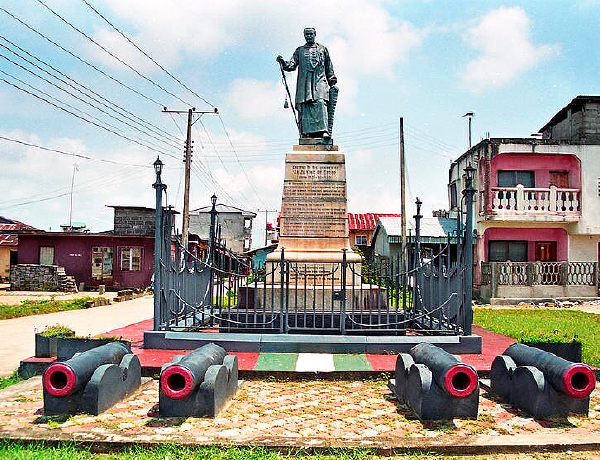
Visit King Jaja’s monument
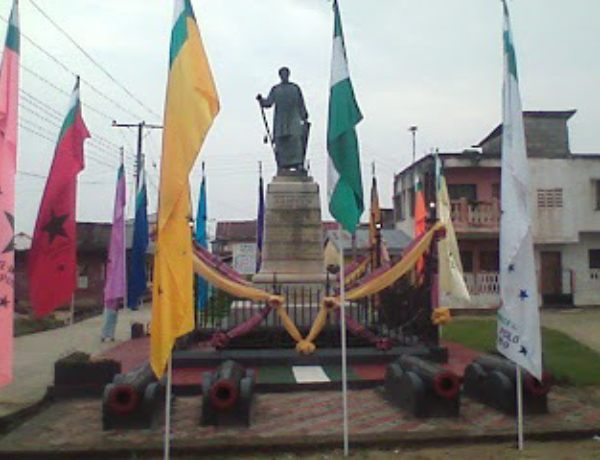
Stand at the bronze memorial and monument square in Opobo Town centre — the civic heart of the kingdom’s founding story.
The King Jaja of Opobo Memorial (bronze on a grey granite plinth, listed by Nigeria’s National Commission for Museums and Monuments) honours the first Amanyanabo. Nearby monument square, polo flags and cannons make this the natural first stop for visitors and returning indigènes. An inscription on the memorial remembers him as “a king in title and indeed… always just and ever generous.”
- Combine with a respectful visit near the Palace of King Jaja of Opobo.
- Look for the historic 1878 bell associated with King Jaja’s era.
- 02Boat
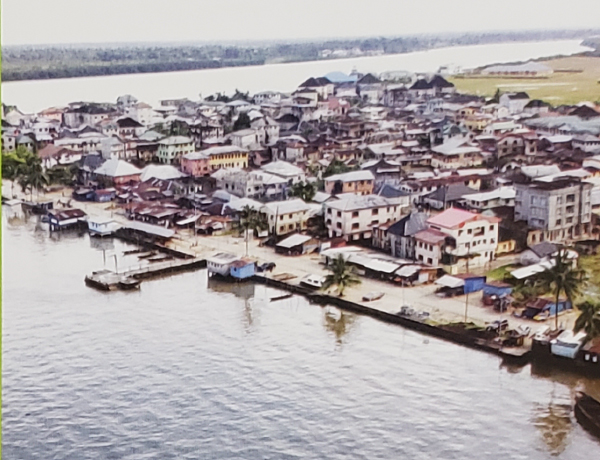
Visit Opobo villages by boat
Hire a local boat and thread the creeks to the satellite towns that complete the kingdom — each with its own waterfront character.
Opobo Kingdom stretches beyond the main town into island and waterside communities linked by canoe and speedboat. A day on the water is the best way to feel how trade, fishing and family houses still organise life along the Imo River corridor and adjoining creeks.
- Agree a route and fare with a trusted boatman before casting off.
- Carry sun cover, drinking water and respect for local house compounds.
- Life jackets are strongly recommended, especially with children.
Kalaibiama
Waterside community on the kingdom’s boat network — a classic creek stop from Opobo Town.
Iloma (Oloma / Illoma)
Satellite village reached by boat; part of the ring of settlements that surround the main town.
Queens Town
Historic satellite town of the kingdom — approach by water for shoreline views and local hospitality.
Minima (Minimah)
Known locally in connection with war-canoe heritage; a meaningful stop for culture-minded visitors.
Epellema
Another of the kingdom’s waterside communities — pair with neighbouring villages on a loop cruise.
Ekereborokiri, Kalasunju & fishing ports
Further settlements and fishing ports belonging to various Wari (war canoe houses) and Polo sections.
- 03Boat
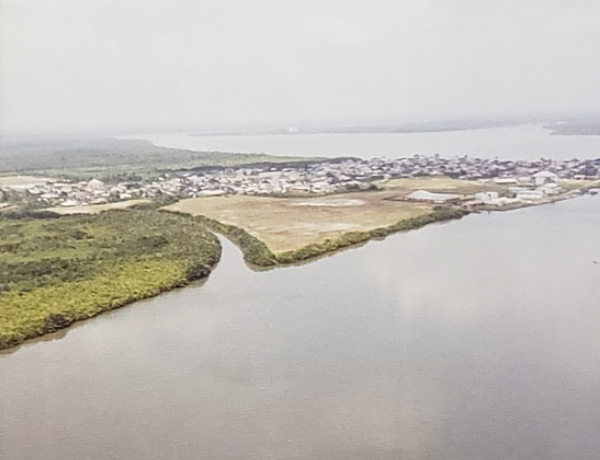
Visit Muma Beach by boat
Cross by boat to Muma Beach for open water, sand and a quieter shoreline day away from the town square.
Muma Beach is a favoured boat outing from Opobo Town — a place to feel the Atlantic-facing character of the Niger Delta edge, picnic with family, and watch boats work the same channels that once carried palm-produce trade.
- Go with an experienced local boat crew who know the tides.
- Plan return light before dusk; creek navigation is harder in the dark.
- 04Boat
Cruise the Blue River & Imo River corridors
Paddle or motor along the blue river channels and the Imo River approaches that made Opobo a 19th-century trading bridge.
King Jaja’s founders chose ground a day’s paddle from Bonny, opening posts under freshwater forest along a resolute Imo River. Today those same corridors — often spoken of locally as the blue river waterways — offer mangrove edges, bird life, fishing traffic and the living geography of the Oil Rivers.
- Ask guides to point out historic trading-post stretches and mangrove stands.
- Pair a morning cruise with an afternoon at the monument square.
- 05Walk
Palace entry, colonial landmarks & house compounds
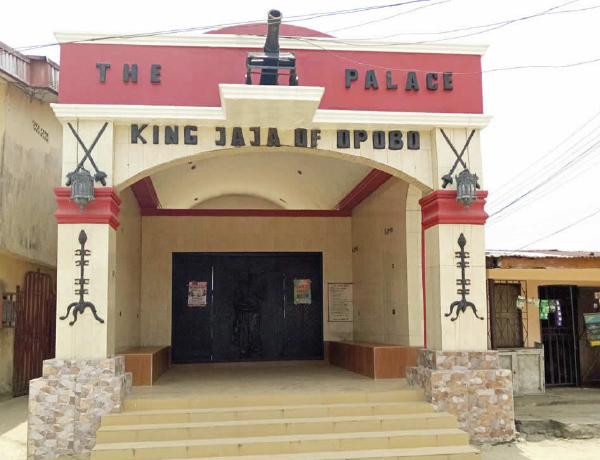
Walk Unity Road into town, pause at the palace entry, and notice colonial-era halls, St. Paul’s heritage and the fourteen Polo sections.
Beyond the statue, Opobo rewards slow walking: the palace precinct, older civic buildings associated with King Jaja’s era, family compounds of the 67 war canoe houses, and shoreline jetties where carved regatta boats are still kept.
- Dress modestly near palace and church precincts.
- Ask before photographing people or private compounds.
- 06Seasonal
Watch boat regatta & Nwaotam season (when announced)
When the kingdom stages regatta or Nwaotam, the waterfront fills with war-canoe pageantry, drumming and colour.
Opobo’s International Boat Racing and Regatta tradition and the Nwaotam festival showcase paddlers, masquerade and Iye-Eke water display rooted in the 67 war canoe houses. Festivals are calendar-dependent — confirm dates with kingdom or LGA channels before travelling.
- Book boats and lodging early in festival weeks.
- Arrive via Ikot Abasi or the Port Harcourt / Bori corridor depending on road and water conditions.
- 07Walk or boat
Sunset at Ogolo Jetty & the waterfront
End the day where town meets water — jetties, shoreline paths and soft evening light over the creeks.
Ogolo Jetty and neighbouring landings are everyday stages for arrivals, farewells and market traffic. They are also among the most photogenic hours in Opobo Town when the heat drops and boats turn home.
Go deeper
Read the full founding story, then support the Foundation’s work that keeps culture and community strong on both sides of the Atlantic.