About Opobo Kingdom
Our Opubo Ama: Our Beloved Opobo Kingdom
A story of war, strategy, jealousy and economic genius: the founding of an ancient City State on December 25, 1870, and the kingdom it remains today.
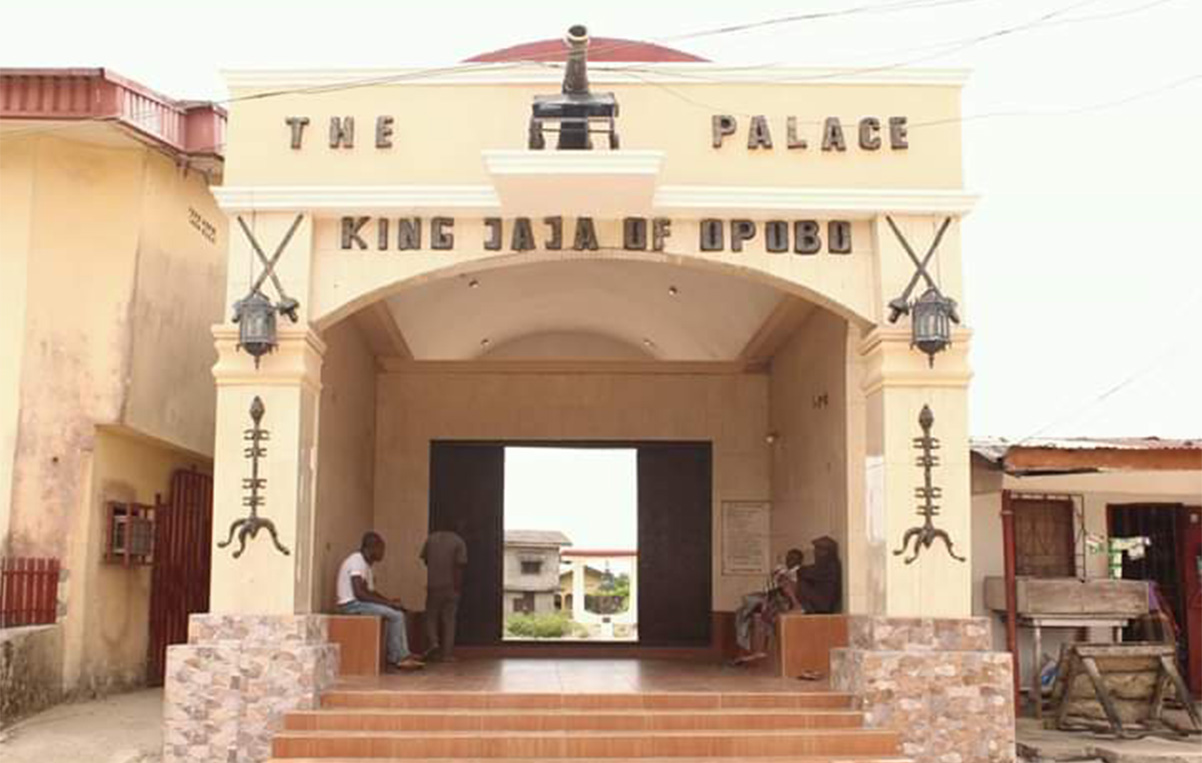
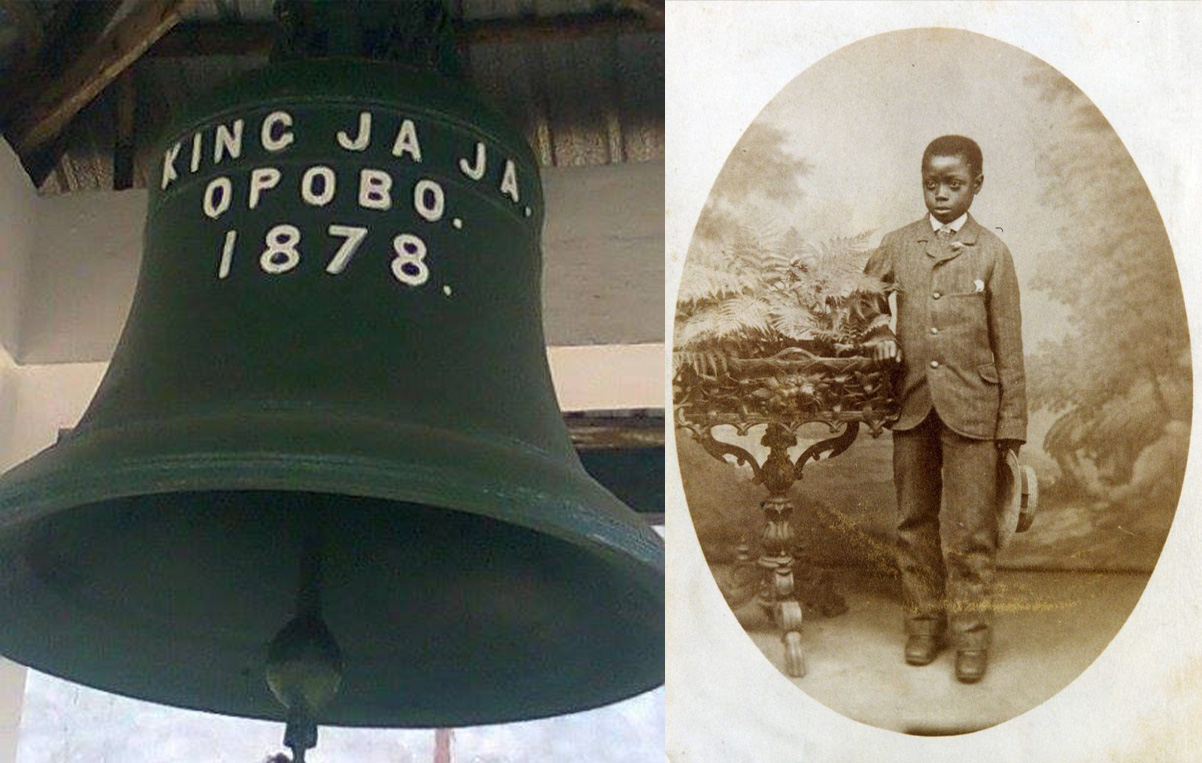
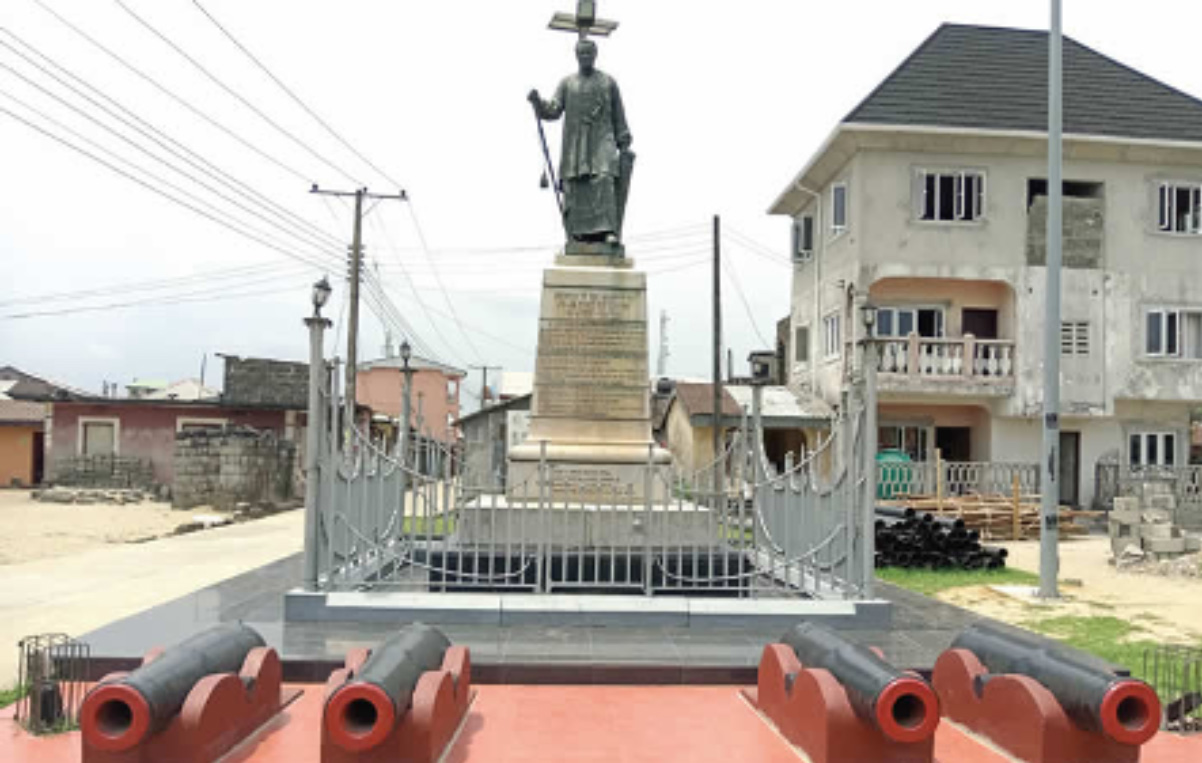
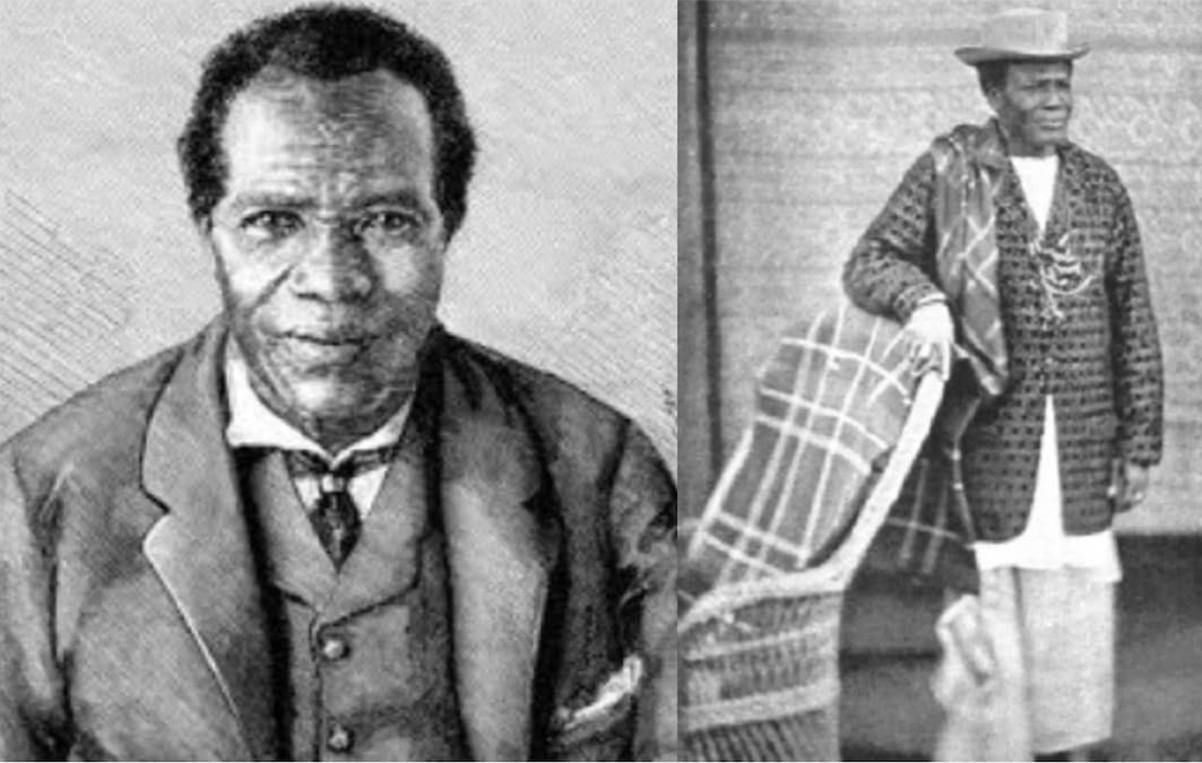
History
The founding of a City State
The ancient City State of Opobo stands as a founder's delight. It is a story made up of war, strategy, fake reconciliation, jealousy, and economic genius. It has a sheer incredible mixture of luck, intuition and political maneuvering that resulted in the creation of the history.
At the age of 12, a young boy was captured by his father's enemies and sold into slavery, ending up in the Kingdom of Bonny. His first owner gave him the name Jubo Jubogha. He worked very hard for his master and was very humble until he was sold again to Chief Alali, who was the ruler of the Opubo Anne Pepple Royal House at the time.
In those days, the Bonny Empire was a flourishing kingdom in ancient Nigeria that gained its wealth through trade and business in the slave trade. Slaves were granted their freedom if they had successful businesses and could rise in the social classes to become prominent people in society as well as rule. Jaja worked for the chief and ran businesses on the side until he was able to buy his freedom and become a man of his own.
With his newfound freedom and already flourishing businesses, Jaja concentrated on running his businesses well and learnt the tricks and wits of working as a trader, especially with the British. At a very young age, he had earned for himself high social status and an enviable name in the trading business in West Africa. His Ibani name of Jubo Jubogha (Juwo-Juwo) was declared as Jaja for convenience by the British.
At the death of his former enslaver, the ruler of the Opubo Anne Pepple Royal House, there was no one interested in taking up the throne because of the debts the royal house had incurred over the years. Seeing it as both a business opportunity and a way of honouring the late chief, Jaja boldly took up the role and paid off the debts in a matter of two years.
Chief Jack Annie Pepple and other pioneer Chiefs left their home in Grand Bonny, the heartland of the Ibani people, to establish a new kingdom called "Opobo" (English for Opubo-ama, or the Kingdom of Opobo). It was derived from the name of legendary King Opubo (1738 – 1830), a celebrated Ibani monarch. Thanks to the strategic vision of Chief Jack Annie Pepple, the establishment of Opobo became an economic and political master stroke. It went far beyond its immediate cause, which was the 1869 war in Grand Bonny between the Fubara Manilla group of Houses led by Chief Oko Jumbo and the Opubo Annie Pepple group led by Chief Jack Annie Pepple, whose Ibani name of Juwo-Juwo (also spelt Jubo Jubogha by some) was rendered as Jaja by the British. Jubo-Jubogha was a former slave who rose to fame on the horn of danger and destruction that would have terrified lesser men. Not Jaja. For he turned the crisis of a civil war and defeat in Bonny into a great advantage for him and the pioneer chiefs of Opobo, with the establishment of a new kingdom.
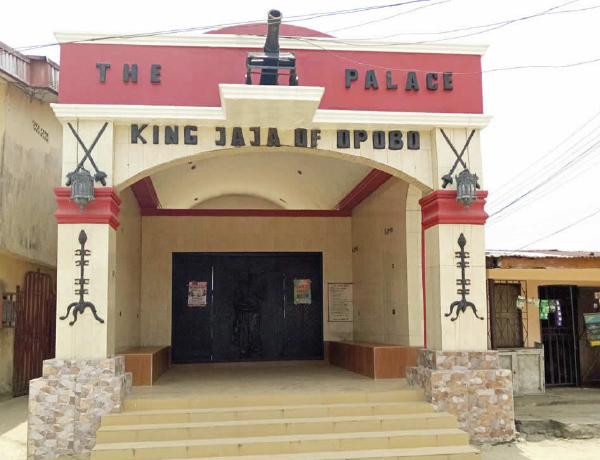
Jaja and his group of 14 out of the 18 war canoes in Bonny secured a geographical location that reinforced their tactical and diplomatic vision as founding fathers. The land stood just about a day's paddle away from their ancestral Ibani root. With it they were set to turn their new kingdom into a unique 19th century bridge for commerce. They crowned their leader Chief Jack Annie Pepple (Juwo Juwo) as King Jaja, the first Amanyanabo of Opobo Kingdom. They chose December 25, 1870 to establish Opobo. From its location, Opobo easily reached out to set up trading posts with land-based farmer communities, spread out under thick foliage of freshwater forests to the left of the kingdom, along the one-way direction of a resolute Imo River. This was before colonial Britain seized the Niger Delta. The region was later shaped into part of a new political entity called Nigeria, which Britain created.
King Jaja and the 14 founding Chiefs demonstrated tenacity of purpose, statesmanship and commercial drive to bring Opobo to international prominence. The Kingdom quickly became one of the six leading City States of the Oil Rivers protectorate. Their strategic moves successfully engineered their local economy into prime relevance in the Palm Produce trade of the 19th Century. Europe designed the trade to favour infant industries belonging to its urban merchant class, at the expense of rural West African communities.
Against this economic confrontation, King Jaja earned distinction as a leading entrepreneur and nationalist in the struggle against Europe's business driven political agenda. Together with the pioneer Chiefs of Opobo Kingdom, King Jaja built a flourishing City-State that helped to shape trade, education and diplomatic relations between European countries and paramount Niger Delta Kingdoms. These endeavours helped to define and strengthen the economy of the Niger Delta.
Unfortunately, the same endeavours sign-posted King Jaja as a symbol of potential indigenous control of the unfolding trade with Europe, an unyielding nationalist and first apostle of "resource control" in the Niger Delta. His position threatened the agenda of imperial Britain. He was subsequently abducted by Britain through ungentlemanly guile, tried under false charges and dispatched into exile like kings of other prominent communities, to clear the coast for the British. With Jaja and his fellow symbols of indigenous control of the Niger Delta out of the way, the British made rapid progress in imposing their empire on the region. They became the colonial master! To seek a new direction for the home of King Jaja, this narrative was revisited with holistic passion by His Majesty King Dandeson Douglas Jaja (Jeki V or King Jaja the Fifth) in his coronation address as Amanyanabo of Opobo Kingdom on January 3, 2004.
Modern Opobo Kingdom is renewing the vision of relevance of its economy. King Dandeson Douglas Jaja JP, Jeki V, Amanyanabo of Opobo, began succession rites in 1980, when his illustrious father King Douglas Jaja (Jaja IV) joined his ancestors. The coronation ceremony on January 3, 2004 ushered in a systematic process of structures to enhance consultations and participation by the citizenry. They are to harness and redirect the human, cultural and social resources of the kingdom to fit into a productive local economy in a dynamic world. Appropriate committees were set up by 2005 on the first anniversary of the coronation. A plan of action with innovations to inspire the kingdom is being concretized under the leadership of the Council of Alapu (Chiefs) and the Amanyanabo of Opobo Kingdom.
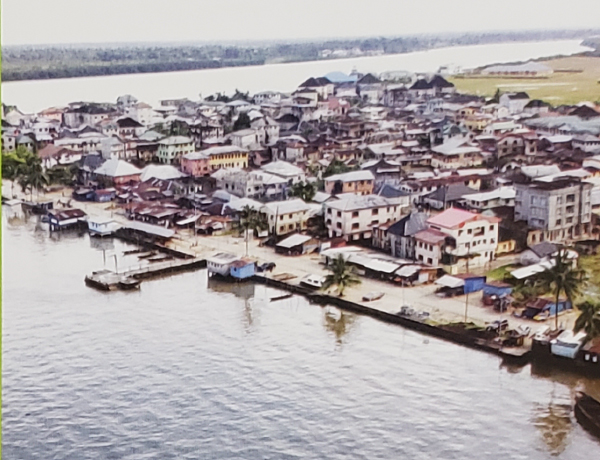
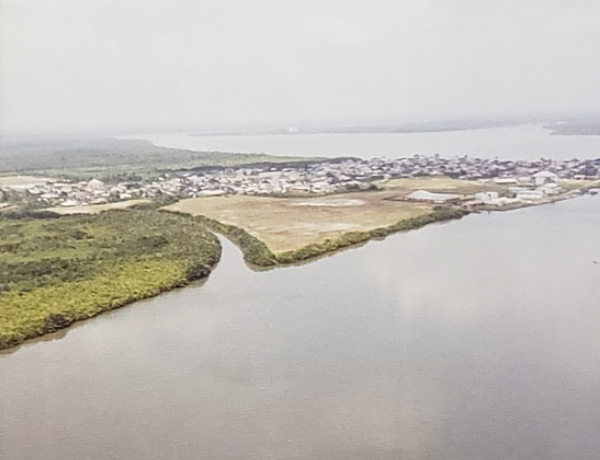
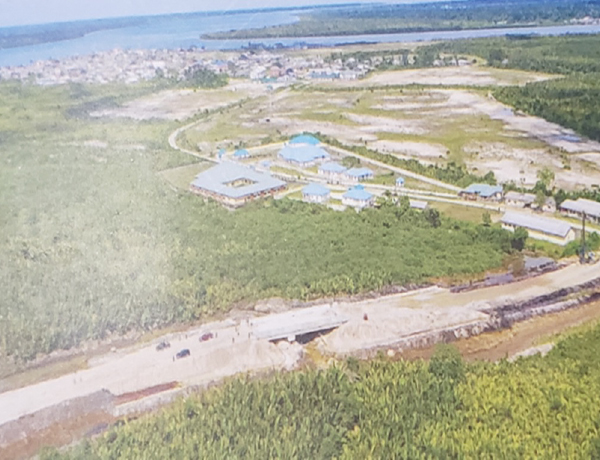
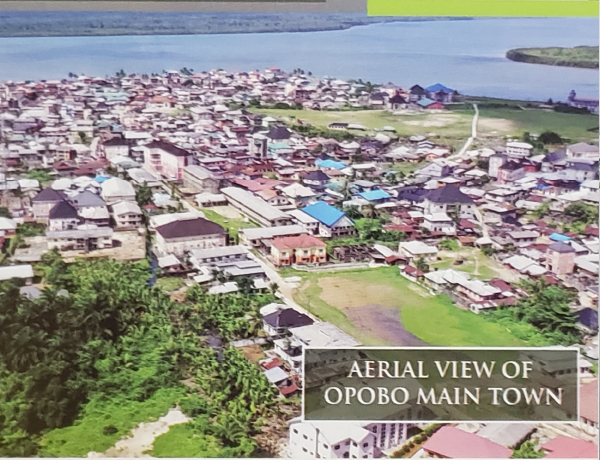
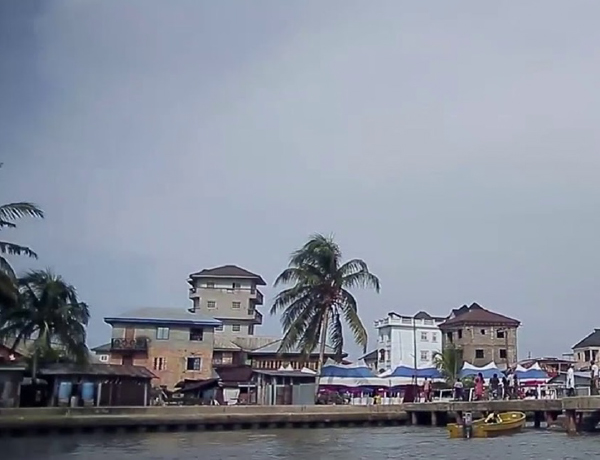
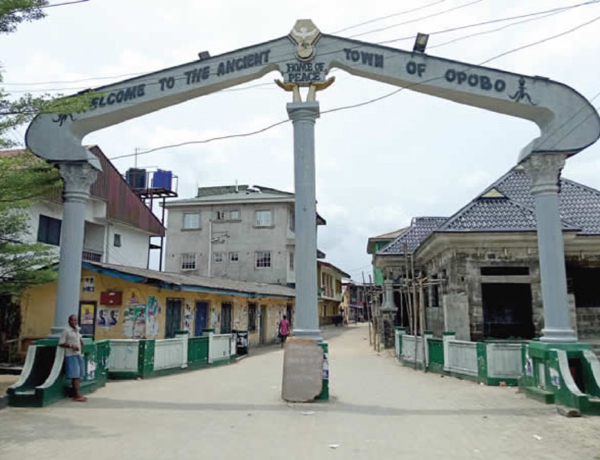
Opobo Town is the headquarters of Opobo/Nkoro Local Government Area, created in 1996. The Kingdom is made up of satellite towns namely: Kalaibiama, Queens Town, Minima, Illoma and Epellema, Ekereborikiri, Down-Below, Abazibie and Opukalama. There are also settlements and villages or fishing ports belonging to various Wari (War Canoe Houses) and Polo (Group of Houses or Section) of Opobo Kingdom.
Information reposted from
Historical fun facts
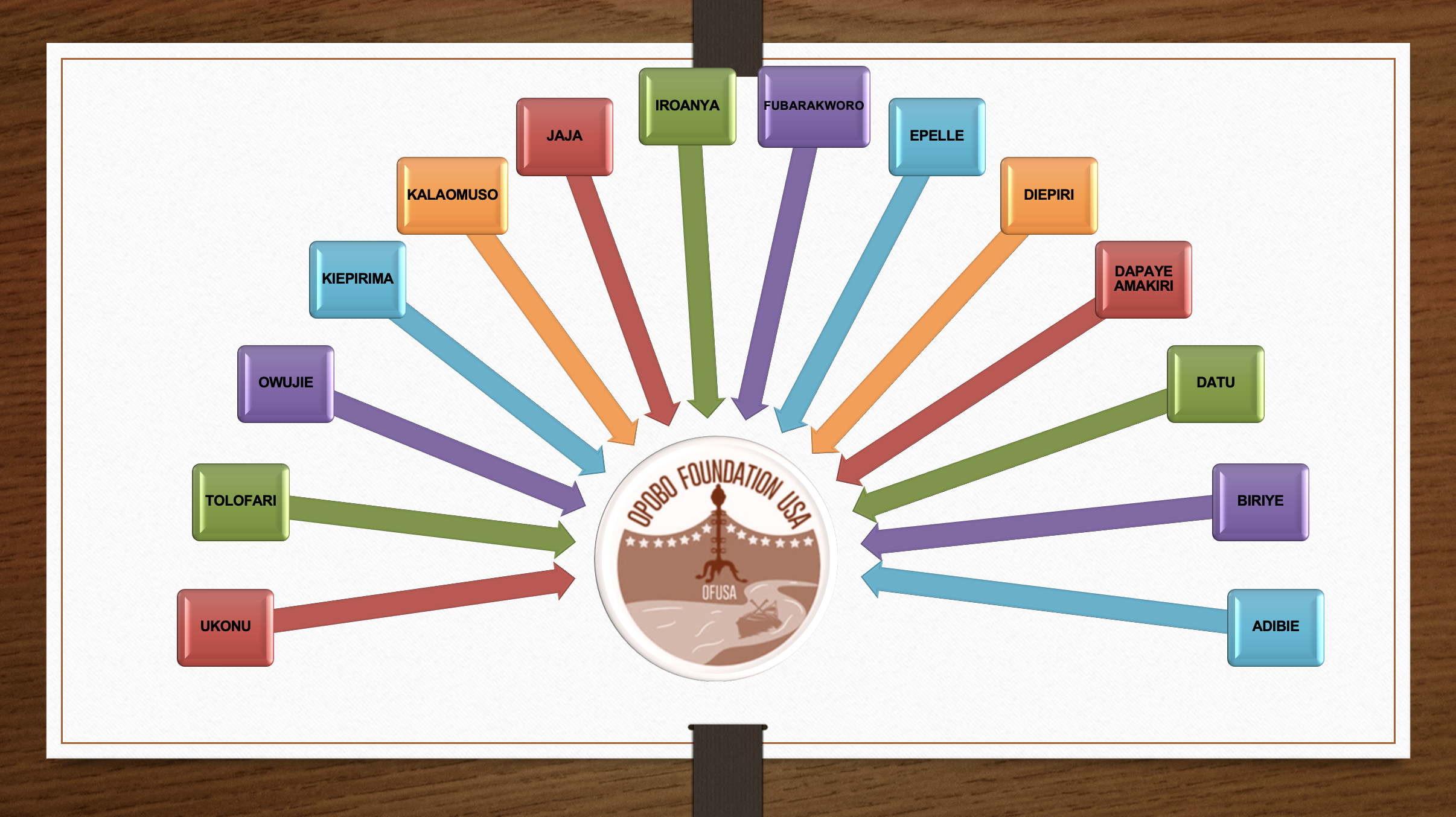
The 14 original house sections (Polo) that left Bonny Kingdom
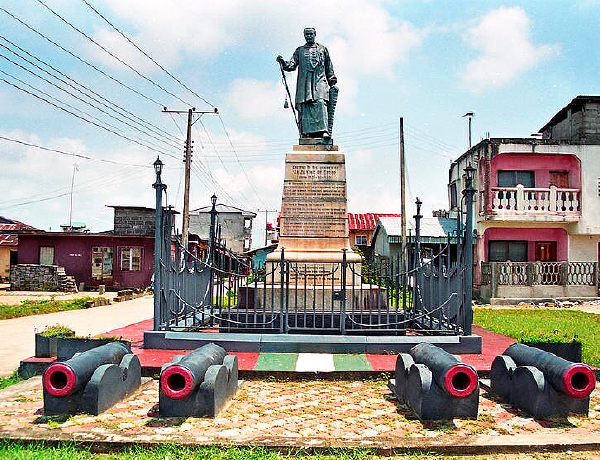
King Jaja of Opobo, the slave that became king. Fourteen of the eighteen war canoe houses of Bonny moved with him.
Listed alphabetically
- Adibie
- Biriye
- Dappaye Amakiri
- Datoo
- Diepiri
- Epelle
- Fubarakuro
- Iruanya
- Kalaomuso
- Kieprima
- King Jaja
- Owujie
- Tolofari
- Ukonu
Listed by number of war canoes
- King Jaja Polo14
- Datoo Polo8
- Dappaye Amakiri Polo7
- Diepiri Polo6
- Kalaomuso Polo5
- Ukonu Polo5
- Kieprima Polo4
- Iruanya Polo4
- Epelle Polo3
- Tolofari Polo3
- Fubarakuro Polo2
- Owujie Polo2
- Biriye Polo2
- Adibie Polo2
Opobo today
The kingdom as it stands